cocktail garnishes list
Cocktail Garnishes List: 8 Ideas for Your Event
Compare eight cocktail garnishes, choose pairings and plan quantities, prep and supplies for your Orange County event with BeeHive Mobile Bar.
By BeeHive Mobile Bar ··12 min read
In this guide
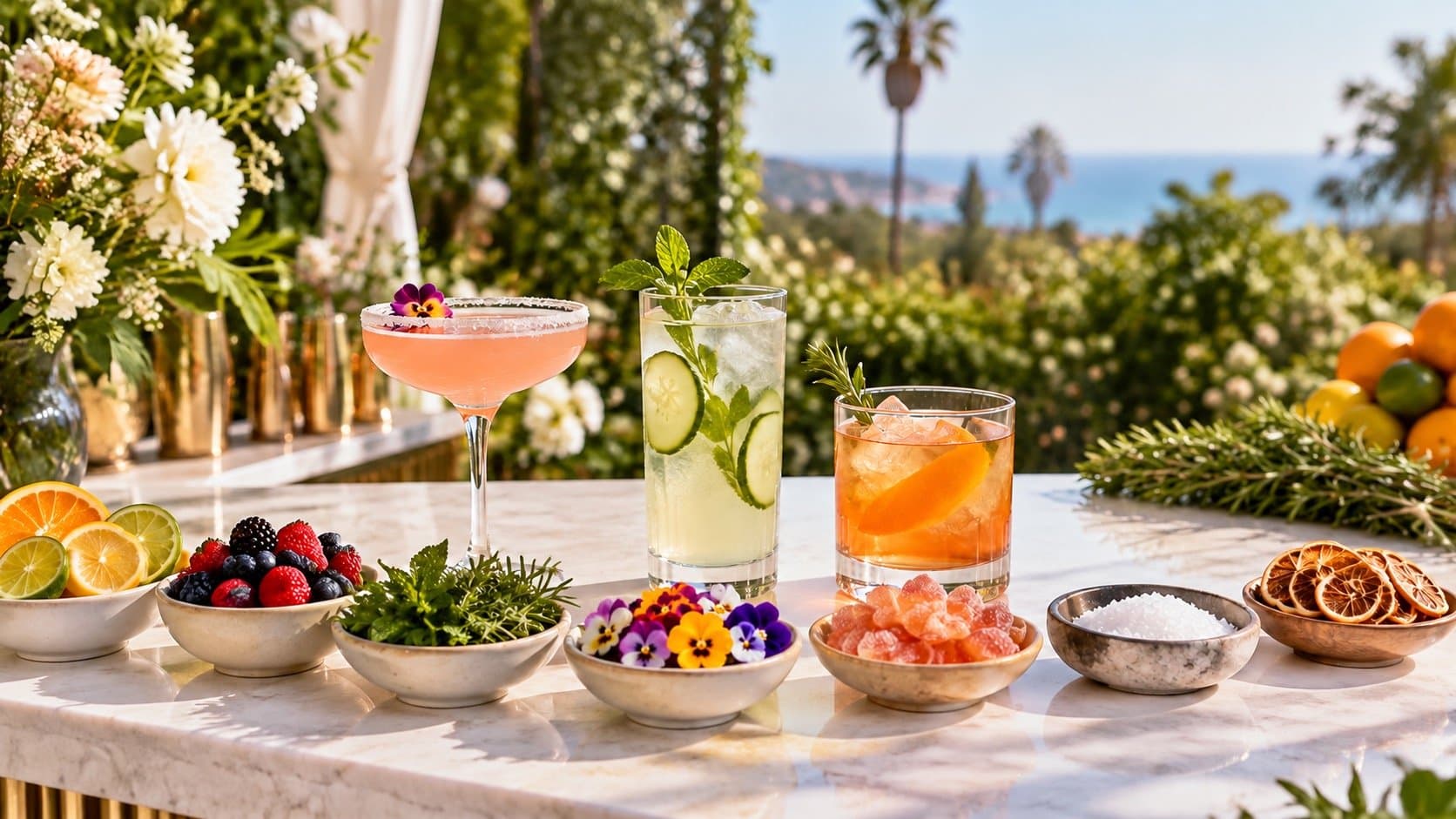
A lemon twist brings fragrance to a Martini; a lime wedge lets a guest add a little acidity. The right garnish earns its place through flavor, aroma or a finishing touch that suits the occasion. This cocktail garnishes list covers eight useful options for cocktails and mocktails, with pairings and preparation tips for weddings, private parties and corporate events.
Start with your drink menu and choose a few garnishes that work across it. You might use lime for a gin and tonic and mint for an alcohol-free cooler, then reserve a flower for one signature spritz. You do not need all eight garnishes at one event.
1. Lemon Twist
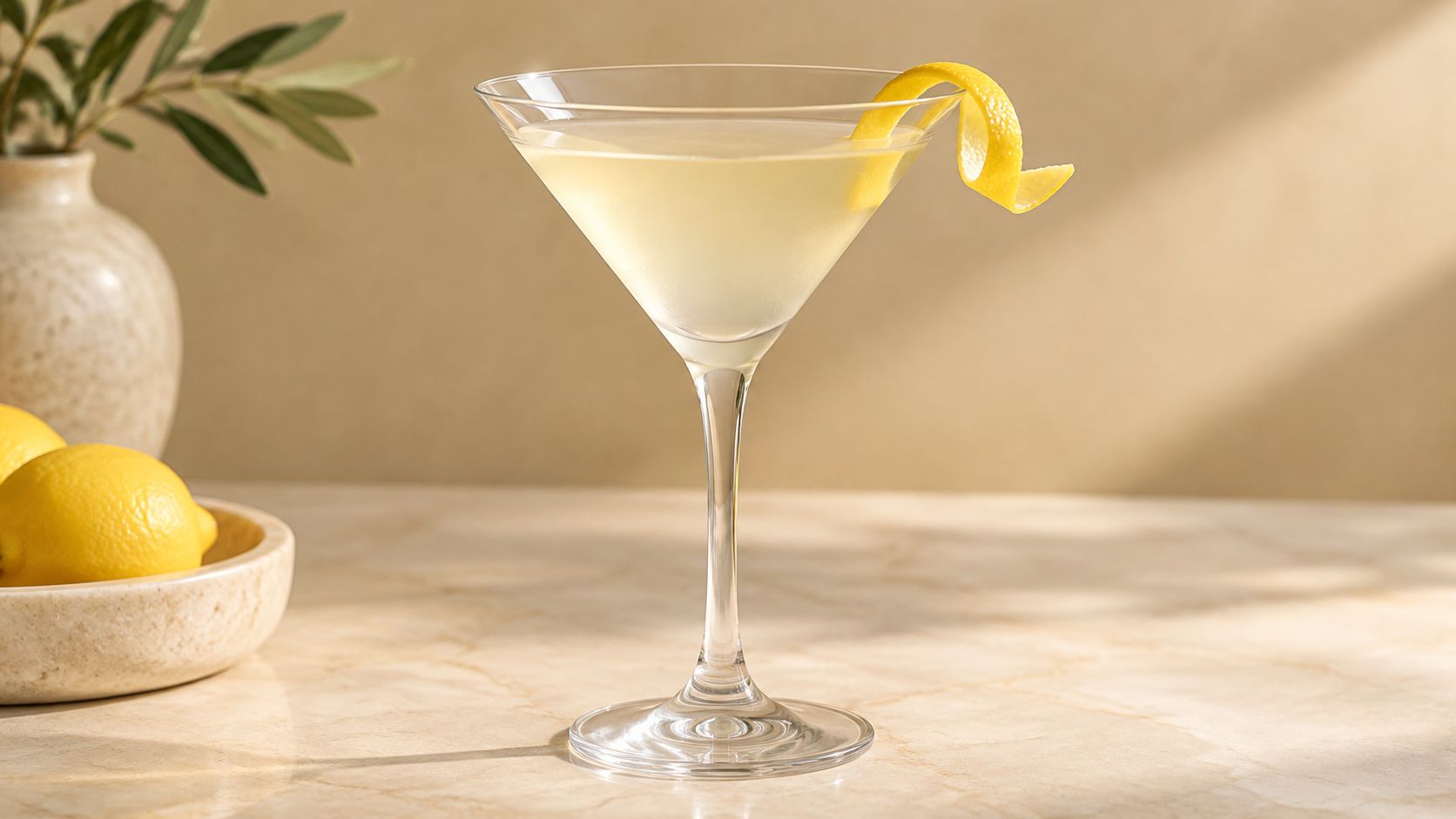
A lemon twist adds citrus fragrance without squeezing juice into the drink. That makes it useful for a Vesper-style Martini or a gin or vodka Martini where a wedge would change the balance.
Cut a strip of peel with a sharp vegetable peeler or channel knife, then trim excess white pith. Bend the peel with its colored surface facing the drink to express the oils, and position it neatly in or on the glass. The aromatic finish matters more than an elaborate spiral.
Prepare for aroma
We recommend washing and drying whole lemons ahead of preparation, then cutting twists in small batches close to use. Long strips left exposed can curl, dry out, and lose the fresh aroma you chose them for. Keep prepared peels covered and chilled between replenishments.
For a Martini-focused reception, neat, consistent strips are more practical than intricate knots. They require less handling and let bartenders concentrate on measuring, chilling, and serving the drink.
Lemons are straightforward to source, but decorative peeling adds labor and can leave usable fruit behind. Coordinate peeling with juice preparation so the remaining lemons have a purpose.
2. Lime Wheel and Lime Wedge
Choose a lime wedge when guests should be able to add juice. Choose a wheel when you mainly want a recognizable citrus finish without encouraging much adjustment.
A gin and tonic works well with a squeezable wedge. A Margarita can take either shape, depending on the recipe and glass. A thick wheel perched on a narrow rim can slip, while an oversized wedge may crowd the drinking edge.
Cut for the Glass You're Using
Wedges: Cut manageable pieces with enough flesh to squeeze, and notch them if they'll sit on the rim.
Wheels: Slice evenly and remove obvious seeds. Keep them thin enough to sit securely without becoming floppy.
Purchasing: Count garnish fruit separately from limes needed for juice. Don't assume the same fruit can cover both jobs without checking the preparation order.
Cut limes during event-day preparation, cover them, and keep backup containers chilled. Replenish a small working tray rather than displaying the full supply. Cut surfaces dry out, and warm fruit won't look freshly prepared for long.
The FDA's food-safety guidance advises discarding perishables left at room temperature for more than two hours, or one hour above 90°F, unless they are kept properly hot or cold. Cut citrus may lose its fresh appearance sooner.
3. Mint Sprig
An alcohol-free mint-and-lime cooler deserves the same fresh, aromatic finish as a Mint Julep. Position the sprig near the drinking edge so guests notice its fragrance as they lift the glass.
Mint is easy to bruise. Choose intact, fresh-looking tops, handle them gently with clean utensils, and keep loose leaves out of the drinking path.
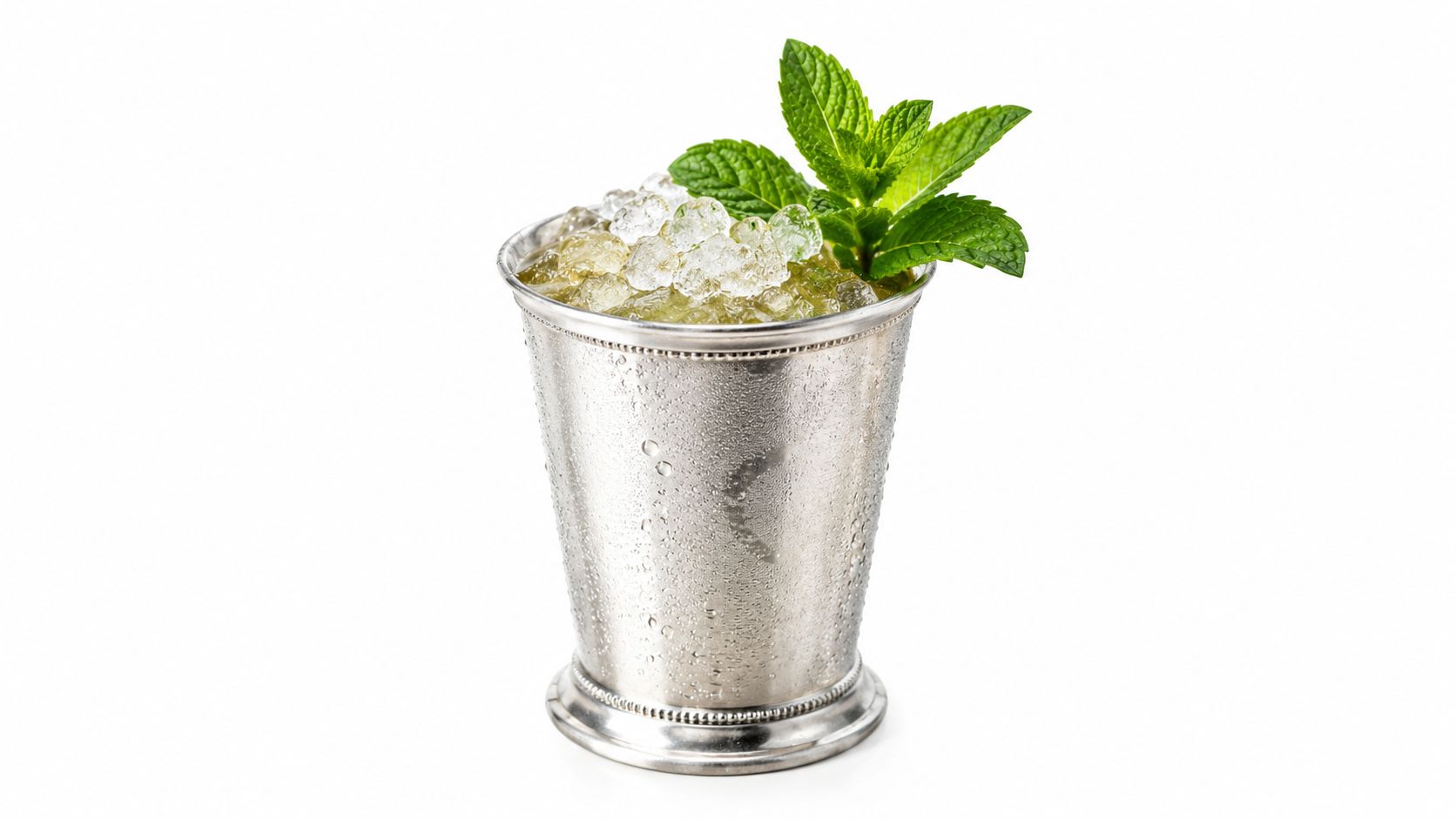
Keep the Backup Supply Protected
Sort mint during event-day preparation, removing yellowing leaves and damaged stems. Rinse gently, pat dry, and hold the usable sprigs chilled in a covered container with a lightly damp towel. Don't pack them tightly or leave them sitting in pooled water.
The Napa Valley Wine Academy's garnish guide recommends gently rinsing and drying fresh herbs and using clean utensils for preparation. At service, tongs help limit repeated handling.
For a warm-weather wedding, mint's main trade-off is replacement and sorting, not complicated cutting. A bargain bunch with tired leaves may yield fewer usable sprigs than a smaller, fresher purchase.
4. Cocktail Cherry
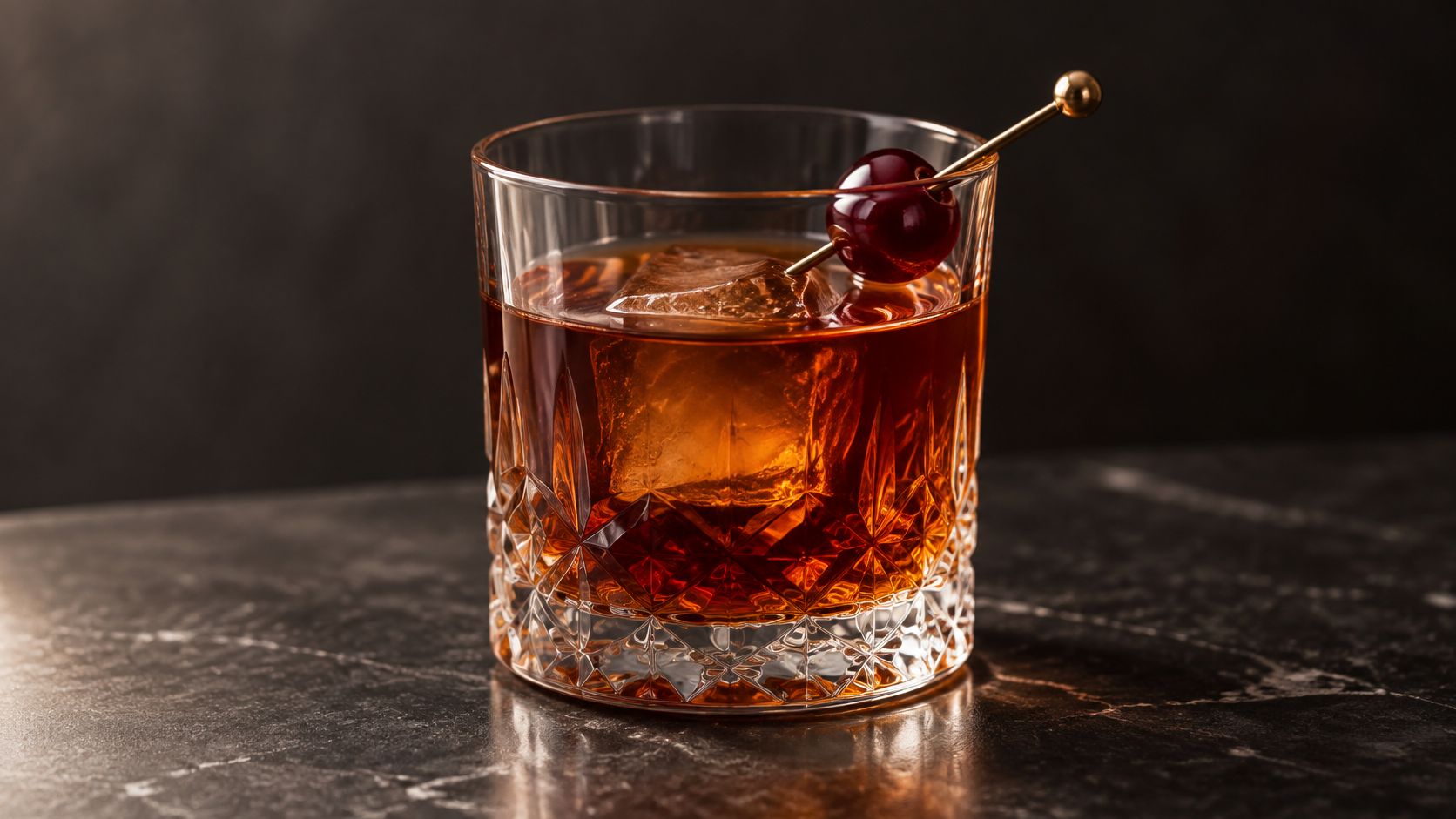
A cocktail cherry on a pick gives a Manhattan a recognizable finish and a sweet bite. It can also suit an Old Fashioned variation when the fruit complements the recipe.
Brandied, maraschino and other cocktail cherries vary in sweetness, texture and alcohol content. Taste the chosen product with the drink before buying for an event. For a mocktail, choose a verified alcohol-free product; a brandied garnish can turn an otherwise alcohol-free drink into the wrong choice for a guest.
Buy Ahead, Handle According to the Label
A sealed jar is easy to buy ahead, with less risk of damage than fragile herbs or flowers. After opening, follow the manufacturer's storage instructions, since storage needs can differ by product. At service, drain excess syrup before putting cherries on picks to prevent drips across the glass.
5. Cucumber Ribbon
A cucumber ribbon suits a gin and tonic, a light vodka drink, or a cucumber-mint cooler. It brings a fresh aroma without the acidity of citrus, making it useful when the recipe is already balanced.
Use a vegetable peeler to cut a flexible strip along the cucumber's length. Avoid a thick strip that springs out of the glass or a very thin ribbon that tears during placement. Test it in the actual drinkware before choosing a curl, fold, or inside-glass arrangement.
Save the Cutting for Close to Service
Wash and dry whole cucumbers before preparation, and cut ribbons close to service. Keep finished strips covered and chilled, handling them gently so they do not tear.
For a garden-party cooler, a simple ribbon inside the glass is often more practical than a complicated skewered shape. It's easier to reproduce consistently, though it still takes more preparation space than a lime wedge.
6. Sugar or Salt Rim
A rim changes what guests taste with each sip. Salt belongs on a Margarita when it supports the recipe; sugar can balance the sharpness of a Lemon Drop. Neither should be applied automatically to every citrus drink.
Moisten the outside edge of the glass with citrus, then dip it into a shallow dish of the chosen rimmer. Keep crystals away from the inside lip so they don't fall directly into the cocktail.
A partial rim gives guests a choice. They can sip through the seasoning or turn the glass to an uncoated edge.
Prepare Dry Rims Before the Rush
Rim suitable glasses during setup and store them upright in a clean, dry area. Avoid preparing them before they must travel or stacking them afterward. Humidity and condensation can dissolve sugar, loosen salt, and leave sticky marks.
A plain salt or sugar rim is straightforward to source. Colored sugars and spiced blends need closer attention because their flavor, ingredient lists, and appearance vary. Chili blends can also surprise guests who expect an ordinary salted Margarita.
For a reception with quick arrival service, pre-rimmed glasses can reduce finishing work, provided the bar has protected storage space. If the venue is humid or the drinkware doesn't hold the coating reliably, applying rims to order may be the better choice.
7. Edible Flowers
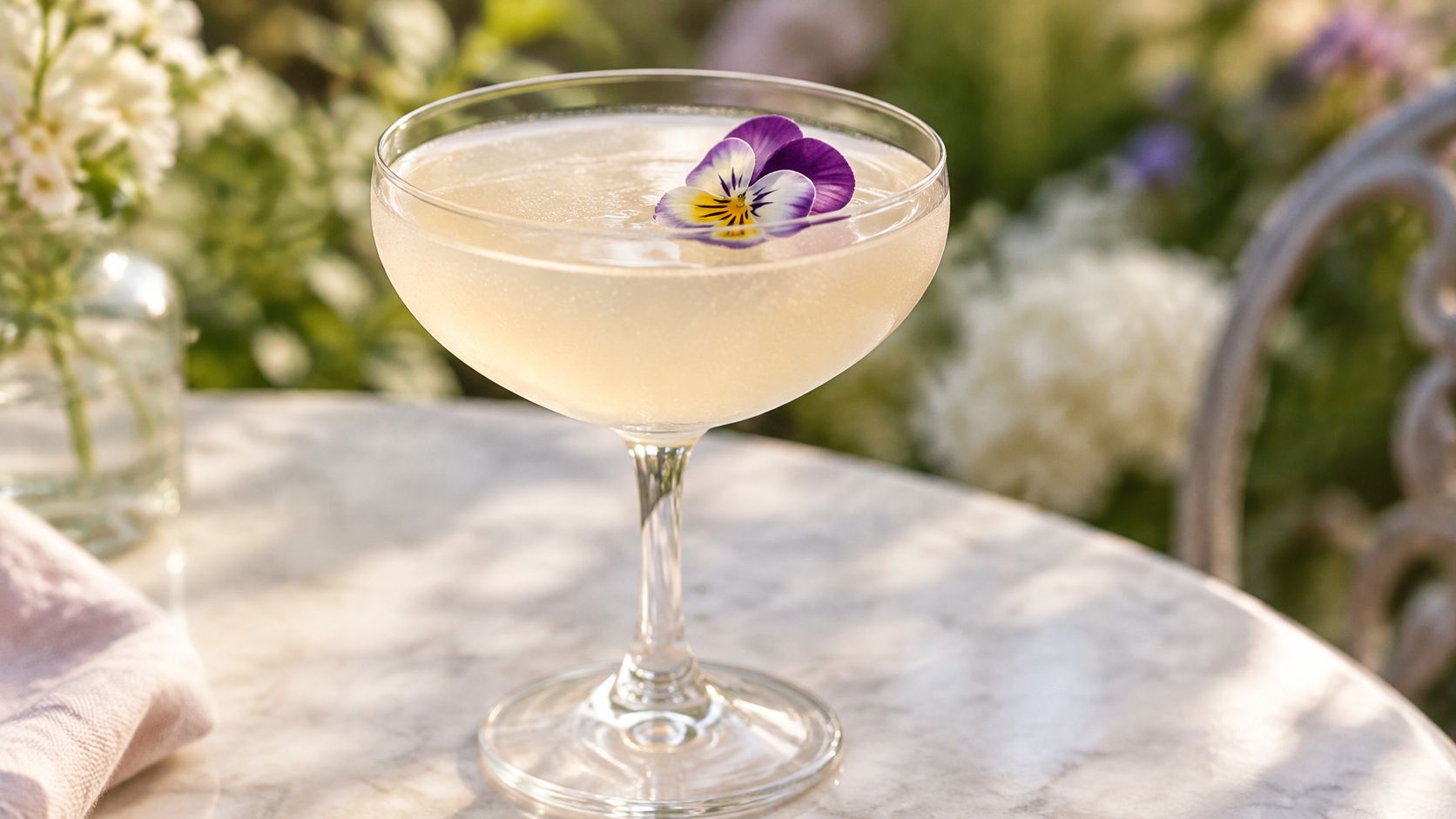
An edible pansy or viola can add color to a sparkling cocktail or alcohol-free spritz. Choose flowers sold specifically for food use before choosing colors to match the event. Ordinary decorative flowers are not interchangeable with culinary flowers.
Confirm Edibility and Handling
North Carolina State University's edible-flower guide advises confirming the flower's identity and edibility, as well as how it was grown. Buy a product labeled for consumption, follow its preparation instructions, and keep the label available for ingredient questions. Do not use unidentified garden blooms or florist flowers that are not labeled edible.
Purchase close to the event, follow the supplier's washing and storage directions, and keep flowers chilled in their protective packaging. Add each bloom just before serving with clean tweezers or tongs. Petals that are bruised or damp and compressed won't look fresh on the glass, so handle them gently and avoid preparing drinks with flowers in advance.
8. Rosemary Sprig
Rosemary works best when the drink can carry its piney fragrance. A citrus-led gin cocktail or a whiskey drink for a holiday dinner can support it; a delicate sparkling drink may be overwhelmed.
Choose a small, tidy sprig and remove loose needles. Keep the cut end and woody stem from obstructing the guest's sip. An oversized branch can brush against the face and make the glass awkward to use.
Keep the presentation simple
Sort, rinse, and dry rosemary during event-day preparation, then hold it covered and chilled. It generally keeps its structure better than tender mint, but that doesn't make it a garnish to leave exposed throughout setup and service. Replenish a modest working supply as needed.
Use an unlit sprig for this presentation; its fragrance is enough to finish the drink.
Compare the eight cocktail garnishes
Choose by the drinks you are serving, the glassware available and how much finishing work the menu needs.
| Garnish | Good match | What to plan for |
|---|---|---|
| Lemon twist | Martinis and other spirit-forward drinks | Peeling and trimming; express the oils at service. |
| Lime wheel or wedge | Gin and tonics, Margaritas and citrus coolers | Choose a stable cut; count garnish limes separately from juice. |
| Mint sprig | Juleps and alcohol-free lime coolers | Sort usable tops and protect chilled backups from bruising. |
| Cocktail cherry | Manhattans and whiskey cocktails | Check the label for alcohol and storage instructions; drain syrup. |
| Cucumber ribbon | Light gin, vodka and cucumber drinks | Allow peeling time and test the ribbon in the actual glass. |
| Sugar or salt rim | Lemon Drops and Margaritas | Offer a partial rim; keep prepared glasses clean and dry. |
| Edible flower | Spritzes and light sparkling drinks | Confirm food-use labeling, availability and gentle handling. |
| Rosemary sprig | Citrus-led gin and whiskey drinks | Use a small unlit sprig that leaves the drinking edge clear. |
How many garnishes should you prepare?
Count expected servings of each drink rather than assigning one garnish to every guest. Some guests will order a second cocktail; others may choose beer, wine or a drink that needs no garnish.
For a simple example, suppose your menu plan calls for 60 gin and tonics with one lime wedge each and 40 alcohol-free coolers with one mint sprig each. This is an example of 100 drink servings, not a forecast for 100 guests. For this calculation, allow 10% extra usable garnishes for damaged pieces or a small change in the drink mix.
| Garnish | Planned servings | Example reserve | Preparation target |
|---|---|---|---|
| Lime wedges | 60 | 6 | 66 usable wedges |
| Mint sprigs | 40 | 4 | 44 usable sprigs |
If a test lime yields six usable wedges, 66 ÷ 6 = 11 limes for garnishing. Add fruit needed for juice separately. Mint bunch sizes vary, so count usable tops instead of relying on a fixed number of bunches. Adjust the reserve with your bartender; 10% is an assumption for this example, not a BeeHive package rule. Keep reserves chilled and replenish in small batches.
What BeeHive provides, and what the host supplies
BeeHive's Bronze, Silver and Gold packages include garnishes for the agreed menu: Bronze lists standard garnishes, Silver lists premium garnishes, and Gold lists premium garnishes and presentation. Confirm specialty flowers, cherries, rimmers and elaborate cuts during menu planning so the proposal reflects your choices.
With bartender-only service, the host supplies garnishes and drink ingredients. BeeHive provides bar tools, setup and cleanup, and a shopping list. Agree in advance who will wash, cut and store the garnishes, and how that work fits into setup. The optional mobile-bar add-on supplies the mobile bar only; it does not turn bartender-only service into a package with ingredients and supplies.
Across all services, the client purchases and provides the alcohol. BeeHive does not buy, sell or deliver it. If the selected garnish contains alcohol, discuss it with BeeHive and include the agreed product in the host's purchases.
BeeHive packages include plastic glassware. If you want glass coupes, Martini glasses or metal julep cups like those pictured, discuss venue- or client-provided drinkware and make sure the garnish fits it.
A garnish checklist for event day
Host and bartender, during menu planning: assign a garnish to each cocktail and mocktail, settle substitutions, and identify allergies or ingredients to avoid.
Assigned purchaser, before the event: buy the agreed products, count usable portions and retain labels for cherries, rimmers and flowers.
Assigned preparation person, before service: wash produce, make the agreed cuts, and separate garnishes from fruit reserved for juice.
Host or venue, before setup: confirm access, preparation space and chilled storage; assign any extra containers needed for bartender-only service.
Bartending team, during service: use clean utensils, keep backups protected and replenish small working portions.
The FDA's produce-handling advice recommends washing produce under running water before cutting, using clean equipment, and refrigerating perishable produce such as herbs at 40°F or below. Follow ready-to-eat labeling and supplier instructions for delicate specialty products.
A few well-chosen garnishes can tie the drinks together without adding unnecessary preparation. For your Orange County wedding, private party or corporate event, BeeHive Mobile Bar can help shape the drink menu around the occasion. Request an event quote with your date, guest count and preferred drinks.