best liquor for a party
Best Liquor for a Party: 8 Smart Choices
By BeeHive Mobile Bar ··12 min read
Updated
At a glance
- Choose bottles for the drinks your guests are likely to order.
- A focused cocktail menu is easier to stock and serve.
- Plan sparkling wine separately if you are serving a toast.
In this guide
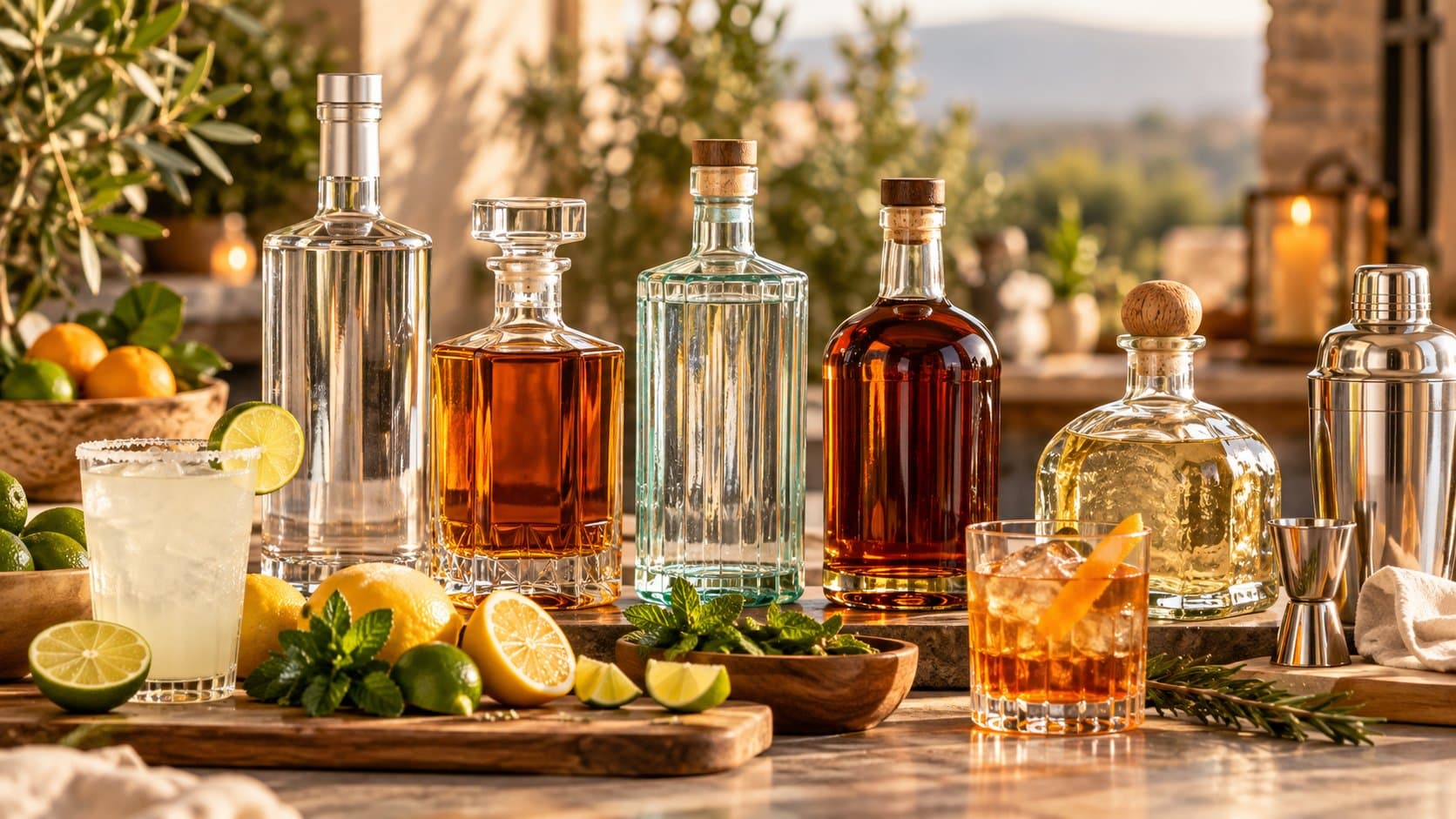
The best liquor for a party starts with the drinks your guests enjoy. Choose a few cocktails first, then buy the spirits those recipes need. This guide compares seven spirit or liqueur categories plus sparkling wine, so you can build a focused menu without stocking every bottle.
Quick picks:
Neutral base for citrus or fruit drinks: vodka
Margaritas and palomas: tequila
Oak and spice flavors: whiskey
Tropical drinks or richer seasonal cocktails: rum
Botanical and herbal flavors: gin
A defined toast: sparkling wine
For Orange County events, BeeHive Mobile Bar operates as a dry-hire service. The client purchases the alcohol using a tailored shopping list; BeeHive does not buy, sell or deliver alcohol. Bronze, Silver and Gold mobile-bar packages require a three-hour minimum. Bartender-only service is a separate offering starting at $350 for a two-hour minimum, with each additional hour at $75.
How to choose liquor for your guest list
Start with the cocktails your guests are likely to order, then choose the spirits those recipes need. Compare flavor preferences, ingredient overlap, preparation time and your shopping budget. A familiar base spirit plus one contrasting option can give a short menu variety. Specialty liqueurs are worth buying when they have a clear role in a selected recipe; you do not need all eight categories.
1. Vodka-Based Cocktails for Broad Appeal
Vodka is a versatile starting point when preferences are unknown. Its neutral profile works with citrus, fruit, herbs and soda, making it useful for a vodka soda, lemonade or a custom signature cocktail. Choose it because it suits the recipes and your guests, rather than treating any spirit as a requirement for a particular event style.
Check the bottle strength and recipe pour when planning quantities. The CDC’s standard drink sizes define one US standard drink as 1.5 US fl oz of spirits at 40% ABV. Stronger spirits or cocktails containing additional alcoholic ingredients can contain more than one standard drink. BeeHive’s calculator offers 1.5 oz and 2 oz liquor-per-cocktail assumptions for inventory planning.
A short menu with familiar drink descriptions can make ordering easier. Preparation time depends on the recipe and service setup, not just the base spirit.
One familiar highball and one distinctive cocktail can give guests variety without overcomplicating the shopping list.
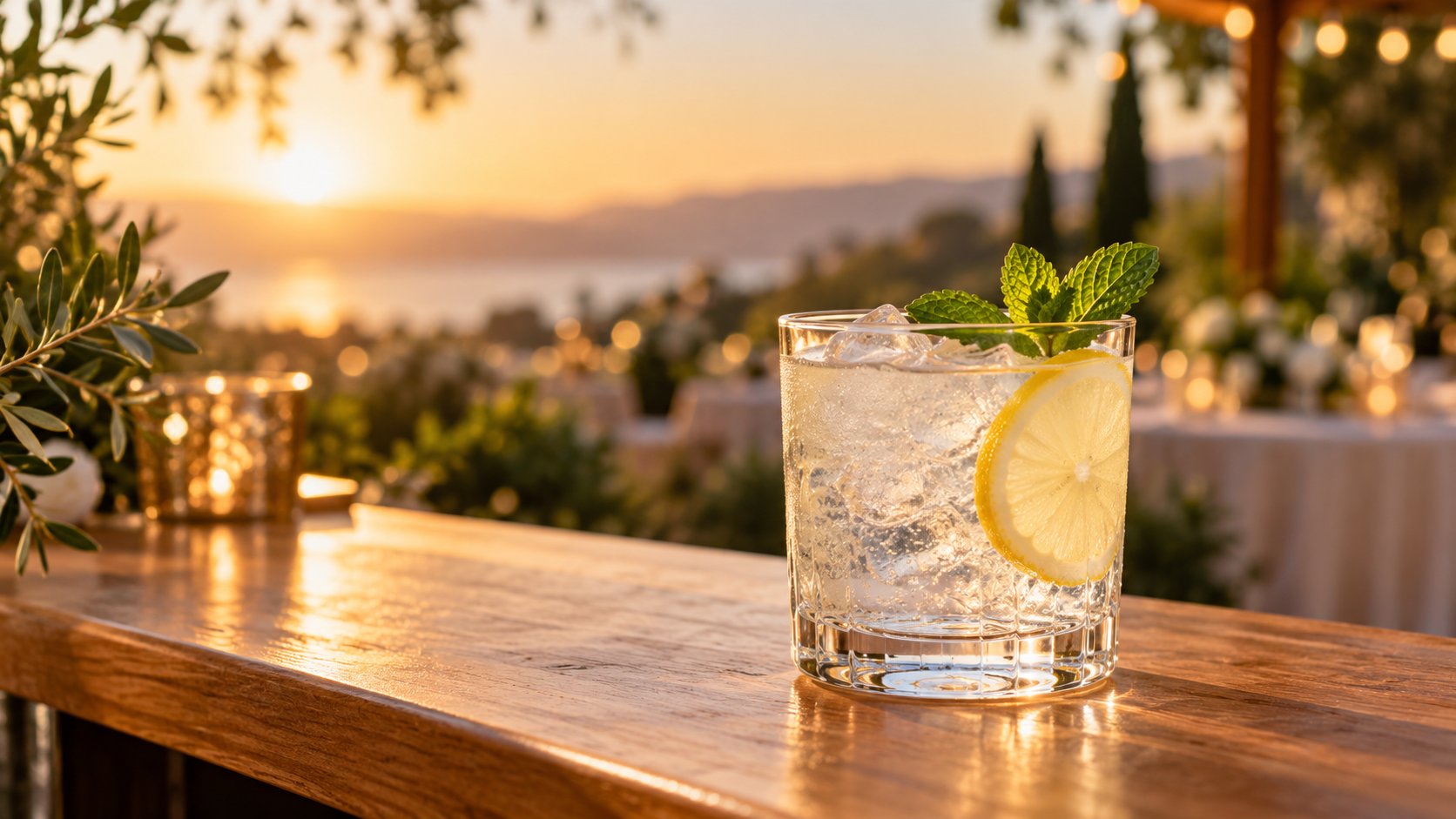
If you want the menu to stay inclusive, use overlapping ingredients between the vodka drink and a separate non-alcoholic option. BeeHive can build the shopping list around a simple, efficient vodka menu, and you can find more inspiration in these cool alcoholic drinks for parties.
2. Whiskey for Elevated Entertaining
Whiskey changes the tone of a bar right away. It signals a more spirit-forward experience and appeals to guests who want depth, oak, spice, or caramel notes rather than a purely refreshing mixed drink.
That makes whiskey a strong fit for milestone birthdays, engagement parties, formal receptions, and many corporate events. A whiskey-forward menu can feel polished without requiring a huge back bar.
Whiskey works best when the menu stays tight. Instead of trying to offer every classic, choose one or two formats and execute them well. A whiskey sour or an Old Fashioned style drink can give the bar a clear point of view, while a neat or on-the-rocks option covers guests who prefer a straightforward pour.
Because whiskey is more distinctive than vodka, it helps to pair it with a contrasting option. Sparkling wine, vodka, or a thoughtful mocktail helps serve guests who do not enjoy oak or spice.
3. Gin for Botanical Complexity
Gin is a strong choice when you want the bar to feel fresh, aromatic, and a little more design-conscious. Its botanical profile can suit garden weddings, daytime celebrations, brand launches, and upscale private parties where presentation matters.
A well-planned gin drink can feel special without being difficult to understand. Help guests choose by describing the flavors, such as citrus-forward, herbaceous, floral or dry.
One featured gin cocktail plus a familiar option, such as a gin and tonic, can keep the menu manageable. Fresh herbs, cucumber, citrus peel and a suitable tonic give you several directions without a long list of mixers.
Some gin listings are intended for commercial producers rather than party shopping. For example, ETHRA Ingredients’ Tradition 100 Gin is an 80% ABV bulk product sold to licensed trade buyers, not a retail bottle recommendation for your event. Choose a retail gin suited to your agreed cocktail recipes.
Multiple gins, several tonics and too many garnish choices can add purchasing and preparation work. Start with the drinks you actually want to serve, then buy the ingredients those recipes need.
4. Rum for Tropical and Festive Celebrations
Rum is a natural fit for warm-weather parties, tropical themes, destination-inspired weddings, and relaxed celebrations where you want the drinks to feel upbeat and welcoming. It can skew light and refreshing or richer and more spiced, depending on the direction of the menu.
For most parties, rum is easiest to manage when you decide early whether the bar should feel bright and beachy or deeper and more seasonal. Fresh lime, pineapple, mint, coconut, and sparkling elements work well, but balance matters. Rum drinks can become too sweet if every recipe relies on heavy juices or sugary mixes.
A focused rum menu might include one festive signature drink and one simpler highball. That keeps the bar approachable while still giving the event a clear identity.
Rum also benefits from a second option for guests who want a different profile. A sparkling pour, vodka cocktail, or zero-proof tropical drink can round out the menu without forcing the host to stock every category.
5. Tequila for Approachable Premium Service
Tequila suits parties that need energy, freshness, and a slightly more premium feel without becoming too formal. It appeals to guests who want familiar citrus-driven drinks, but it can also satisfy people who appreciate the character of the base spirit.
This makes tequila especially useful for weddings, engagement parties, festive corporate events, and celebrations with warm-weather or Latin-inspired food menus. A margarita-style drink or a paloma-style drink feels recognizable and easy to order, which helps service move smoothly.
The key is balance. Fresh lime, grapefruit, soda, and agave-inspired sweetness can highlight tequila without overwhelming it. Overly sugary mixes flatten the drink and can make the whole menu taste one-note.
If tequila is your lead category, keep the descriptions approachable and add a non-alcoholic citrus option so the garnish language and presentation still feel cohesive. BeeHive's guide to hiring a bartender for a private party can also help hosts think through menu scope and staffing before finalizing the shopping list: how to hire a bartender for a private party.
6. Brandy and Cognac for Elegant Refinement
Brandy and cognac are not the default choice for every party, but they can add a refined note when the event calls for something more formal. They tend to fit anniversaries, executive gatherings, gala-style receptions, and milestone celebrations where the bar should feel a little more classic.
These spirits work best as a feature rather than the entire program. One signature cocktail or one sipping option is enough. That gives interested guests something elegant to order without making the whole menu feel niche.
Simple supporting ingredients such as citrus, honey, or bitters can frame the spirit well. Clean presentation matters here too. A restrained menu and thoughtful service do more for brandy or cognac than a long list of elaborate recipes.
If you use this category, make sure the rest of the bar still includes something familiar and easy for the broader guest list.
7. Prosecco and Sparkling Wine for Celebratory Toasts
Sparkling wine is not liquor, but it still belongs in this conversation because it solves a very specific party need. It creates an instant sense of occasion, pours quickly, and works beautifully for weddings, brunches, cocktail hours, engagement parties, and any event that includes a toast.
The most important planning question is not just what bottle to choose, but when it will be served. If sparkling wine is only for a toast, the shopping and chilling plan will look very different than if it continues through cocktail hour or supports a spritz-style signature drink.
Straight pours keep service simple. A Bellini or spritz direction can extend the role of sparkling wine without creating a full second bar program. It also pairs well with one main spirit and a non-alcoholic sparkling option for guests who are pacing themselves.
If you are planning toast quantities, BeeHive's champagne toast calculator can help with estimates before you finalize the rest of the bar.
8. Liqueurs and Aperitifs for Specialized Signature Drinks
Liqueurs and aperitifs function best as supporting players. They can bring bitterness, sweetness, color, aroma, or seasonal character to a cocktail built on a more familiar base spirit.
This category is especially useful when you want one signature drink to stand apart from the rest of the menu. A botanical accent can support a garden theme, a bittersweet aperitif can sharpen a spritz, and a coffee or fruit liqueur can help shape an evening or seasonal cocktail.
The main mistake is buying too many specialty bottles. One clear flavor direction is enough. Choose ingredients that serve a purpose, and make sure the finished drink still tastes balanced rather than overly sweet or novelty-driven.
A good rule is to pair the specialty drink with one familiar cocktail and one non-alcoholic alternative so guests always have an easy path to order.
How Much Alcohol to Buy, and How Wide the Menu Should Be
A successful party bar rarely needs all eight categories. Start with one primary spirit that matches the guest list, and add another when it serves a clear purpose.
Choose menu breadth around guest preferences and service capacity. A larger event can still use a focused signature-cocktail menu. More choices add ingredients, preparation and ordering decisions, so confirm staffing and bar layout with the final menu.
A worked bottle example
Assume 20 adult guests who may drink alcohol, a two-hour bar and an inventory allowance of three drinks per drinking guest: 20 × 3 = 60 drinks. If all 60 are cocktails using 1.5 US fl oz of the same base spirit, that requires 90 fl oz. A 750 mL bottle contains approximately 25.36 fl oz, so 90 ÷ 25.36 = 3.55: round up to four 750 mL bottles.
If half the drinks are beer or wine, only 30 cocktails remain, requiring 45 fl oz, or two bottles of that base spirit. If recipes use different spirits or additional liqueurs, calculate each ingredient separately and round each purchase up. This is a shopping assumption, not a recommendation for how much anyone should drink.
Use BeeHive’s alcohol calculator to estimate your shopping list, then adjust the assumptions to your guest preferences, recipes and service hours.
For staffing, start with BeeHive’s bartender staffing calculator, then confirm the final plan based on guest flow, menu complexity and venue layout.
BeeHive’s alcohol calculator estimates beer, wine and liquor using the number of guests who may drink alcohol, bar hours and selected drink shares. It offers 1.5 oz and 2 oz liquor-per-cocktail assumptions. Mixers, water, alcohol-free drinks, ice, garnishes and a separate toast are not included.
Give alcohol-free choices equal attention when planning the menu. Confirm the mocktails, soft drinks and water you want, and who provides each item, in your service proposal.
The calculator does not include a separate toast. Use the champagne toast calculator linked above for those pours, then confirm whether the toast is additional to your main drink estimate or replaces a drink already counted. Avoid counting the same planned serving twice.
Frequently Asked Questions
How much alcohol should I buy for a party?
Start with the guests who may drink alcohol, service hours, drink preferences and recipe quantities. Our alcohol calculator lets you choose one drink per hour or one per hour plus one extra per drinking guest as an inventory assumption. Adjust the estimate for your event and round purchases up to whole bottles or packs.
What alcohol works best for a mixed crowd?
Vodka can provide a neutral base, tequila suits margaritas and palomas, and rum works with tropical or richer seasonal flavors. Ask about preferences and choose a small menu around the answers. Include a clearly labelled alcohol-free option.
Should I offer beer and wine alongside liquor?
Beer and wine can give guests alternatives to cocktails. BeeHive’s alcohol calculator estimates all three categories using your selected beer and wine percentages, with cocktails making up the remainder. Enter the guests who may drink alcohol rather than assuming every attendee will. Plan mixers, water, alcohol-free drinks, ice, garnishes and any separate toast alongside that estimate.
How many different liquor options do guests actually need?
There is no fixed number for every party. One primary spirit and a contrasting option can support a short menu; a more varied guest list may call for additional choices. Buy specialty bottles for selected recipes rather than trying to offer every cocktail.
Do I need professional bartenders for a small party?
A professional bartender can manage preparation, measured pours, service and cleanup even for a smaller gathering. Whether you need one depends on the venue’s requirements, your menu and how much hosting work you want to take on. BeeHive’s bartender-only service includes bar tools, setup, cleanup and a shopping list; confirm staffing and supplies in your proposal.
BeeHive Mobile Bar provides dry-hire bartending for Orange County weddings, birthdays, corporate events, galas, launches, and private celebrations, with professional bartenders, setup, service, and cleanup. Portable bars, custom cocktails and mocktails, mixers, ice, and garnishes depend on the selected mobile-bar package — Bronze, Silver, and Gold each include different drink counts and staffing levels, so the menu you build here should fit the package you book. Visit BeeHive Mobile Bar to explore the packages or request a custom quote for a focused party bar that fits your guest list and event style.