wedding alcohol
What Alcohol to Buy for a Wedding: A Practical Guide
Plan wedding beer, wine and spirits with a worked shopping list, bottle calculations, toast quantities and clear BeeHive dry-hire responsibilities.
By BeeHive Mobile Bar ··10 min read
In this guide
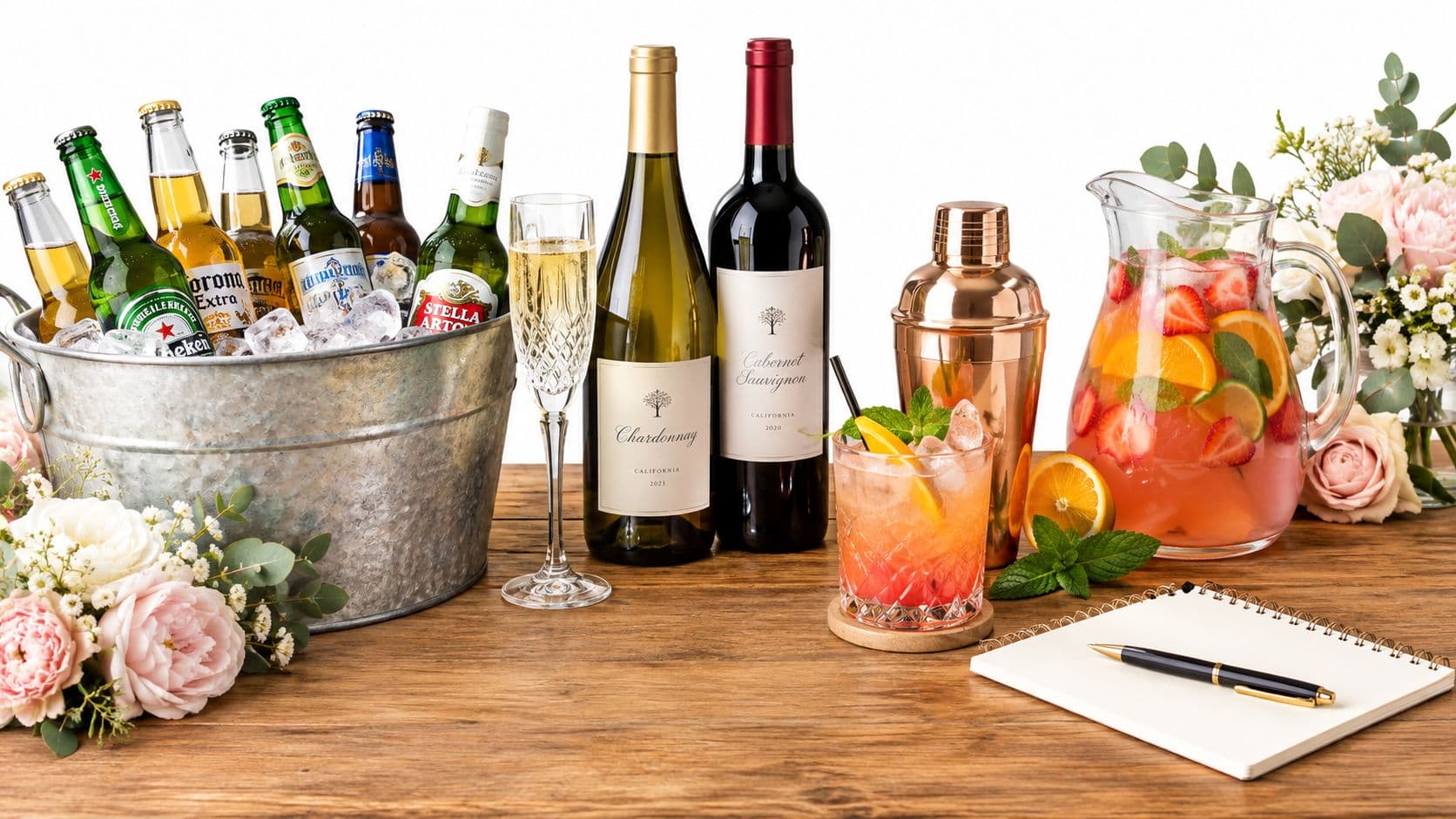
A useful wedding alcohol list starts with a small menu: beer your guests enjoy, a red and white wine, and the spirits needed for your chosen cocktails. Add sparkling wine if you want a separate toast, and give alcohol-free drinks their own quantities. You do not need a bottle of every spirit to offer guests a good bar.
Before buying, confirm how many guests may drink, when the bar will operate, and what your venue permits. BeeHive Mobile Bar provides dry-hire bartending: you purchase the alcohol using our shopping list, and we serve it. Alcohol is never included in our packages.
Start With Your Guests, Menu and Bar Hours
Count adults aged 21 and over who may drink alcohol separately from the total guest count. Guests who prefer mocktails still need a complete drinks plan, and guests drinking alcohol may also choose water or alcohol-free options throughout the reception.
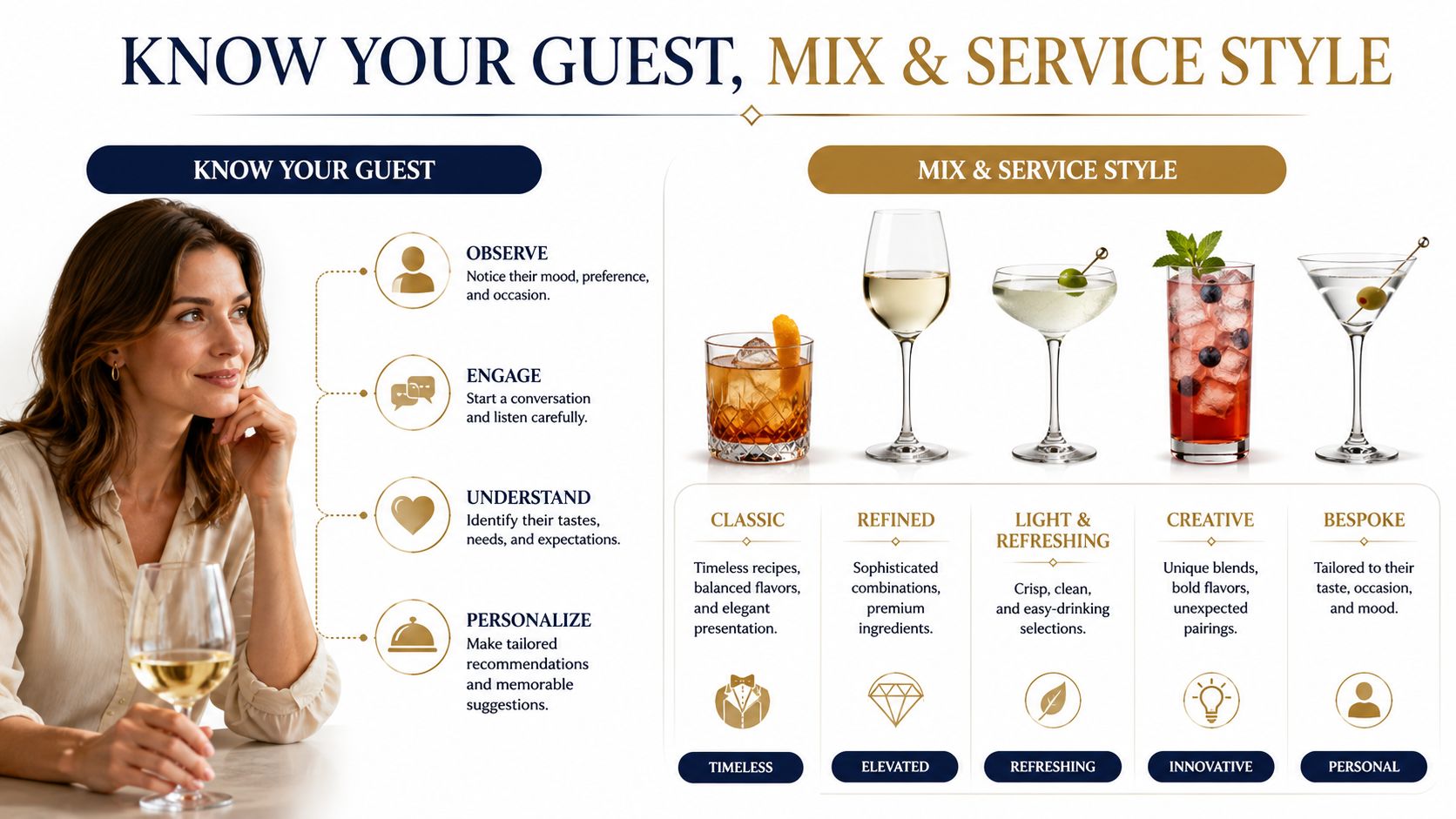
Use the actual service timeline. For example, a bar open from 5 p.m. to 9 p.m. has four service hours if it stays open during dinner and speeches. If you plan a closure, confirm it with the venue and bartender. Do not automatically subtract dinner or speech time, or assume a service pause reduces the booked hours.
Choose the menu before estimating quantities:
Beer and wine: a straightforward option when these are the drinks your crowd prefers. Include a good alcohol-free choice.
Beer, wine and signature cocktails: lets you offer variety while buying spirits and mixers for a defined menu.
A broader spirit selection: useful when you know guests want it, but each additional recipe needs ingredients, storage and service planning.
Check outside-alcohol rules, allowed containers, access times, chilling space and the service cutoff with your venue before purchasing. A dry-hire booking does not override the venue's alcohol policy.
What Alcohol Should You Put on the List?
| Category | A practical starting selection | What to decide before buying |
|---|---|---|
| Beer | One light lager or pilsner, plus another style your guests enjoy | Demand for each style, pack size, venue container rules and refrigeration or cooler space |
| Wine | One white and one red; add rosé if it suits your guests and menu | How to split the wine allocation, the pour size and whether sparkling wine is reserved for a toast |
| Spirits | The exact base spirits and any liqueurs used in your chosen recipes | Servings of each cocktail, ounces of every alcoholic ingredient and bottle sizes |
| Sparkling wine | Champagne, prosecco or another sparkling wine if you want a separate toast | Toast participants, pour size and a separate alcohol-free toast option |
Match the choices to the people attending. A Sauvignon Blanc or Pinot Grigio and a Pinot Noir are possible starting points, not requirements. If your guests strongly prefer another wine, use that preference. The same applies to beer and spirits: a familiar, well-chosen menu is easier to shop for than a long list of bottles bought just in case.
Set an alcohol budget separately from bartending and supplies. Compare bottle prices using the planned pour size, then include any mixers, garnishes or equipment that your service does not cover. Confirm the retailer's return policy before relying on returning unopened surplus.
Choose Cocktails Before Buying Spirits
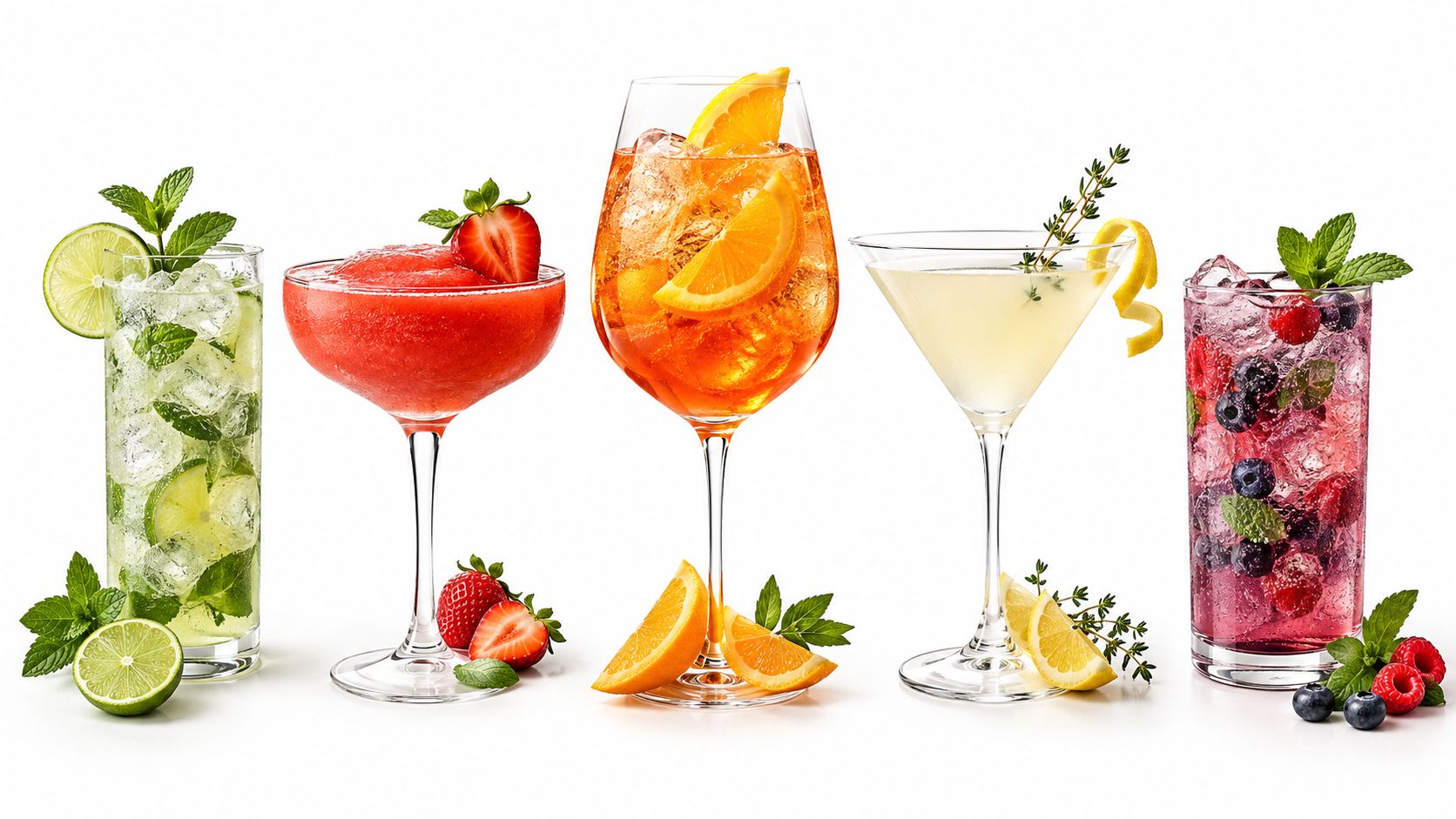
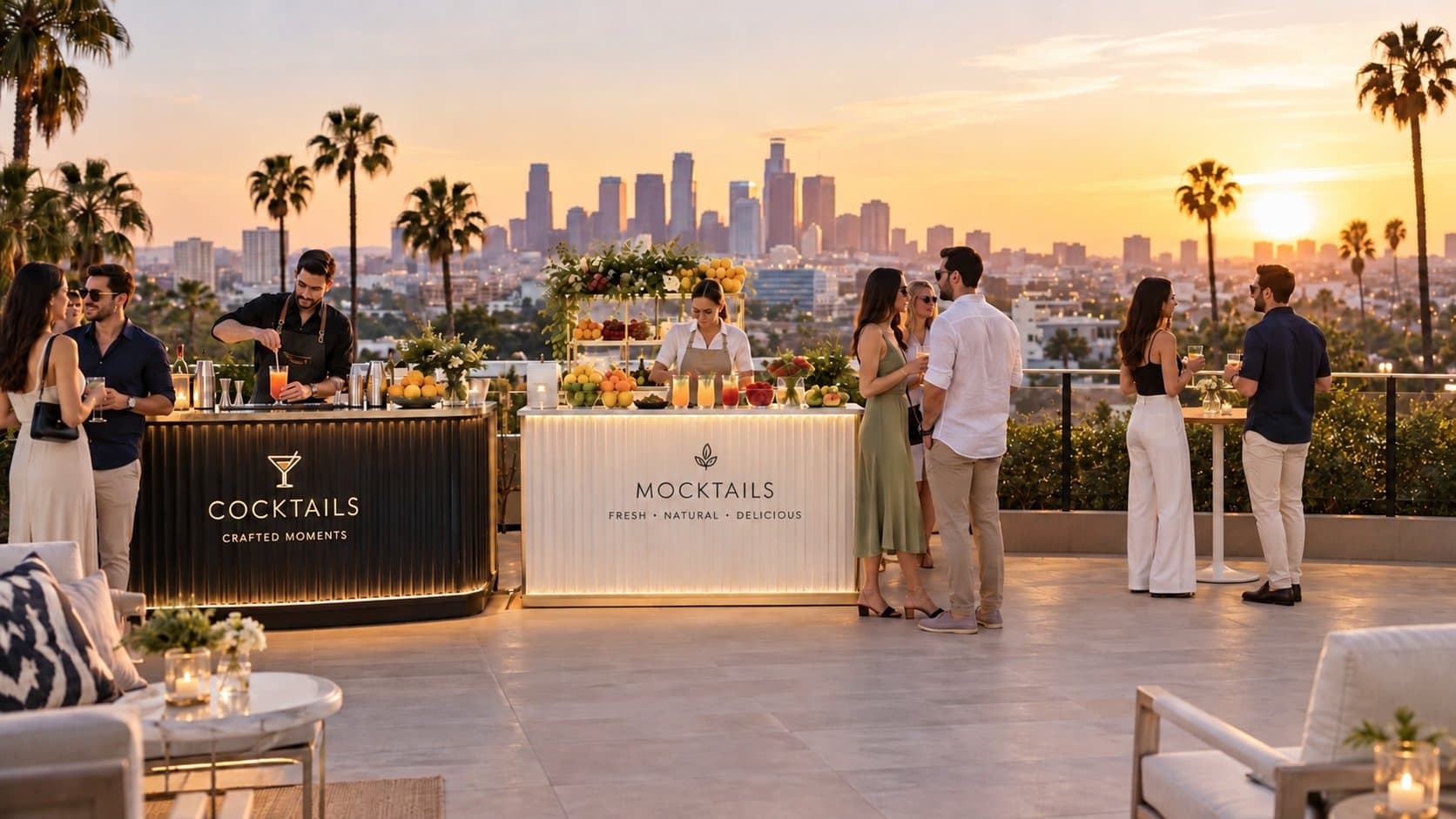
One or two well-chosen cocktails can give the bar variety without requiring a large back bar. Pick different flavor profiles, such as a citrus drink and a berry or ginger drink, and agree on the recipes with your bartender. Your selected BeeHive package determines the included number of signature cocktails.
Write down each alcoholic ingredient and its measure. A drink with tequila and orange liqueur needs both on the shopping list. Changing a recipe from 1.5 ounces to 2 ounces of base spirit also changes the bottle requirement, even if the number of cocktails stays the same.
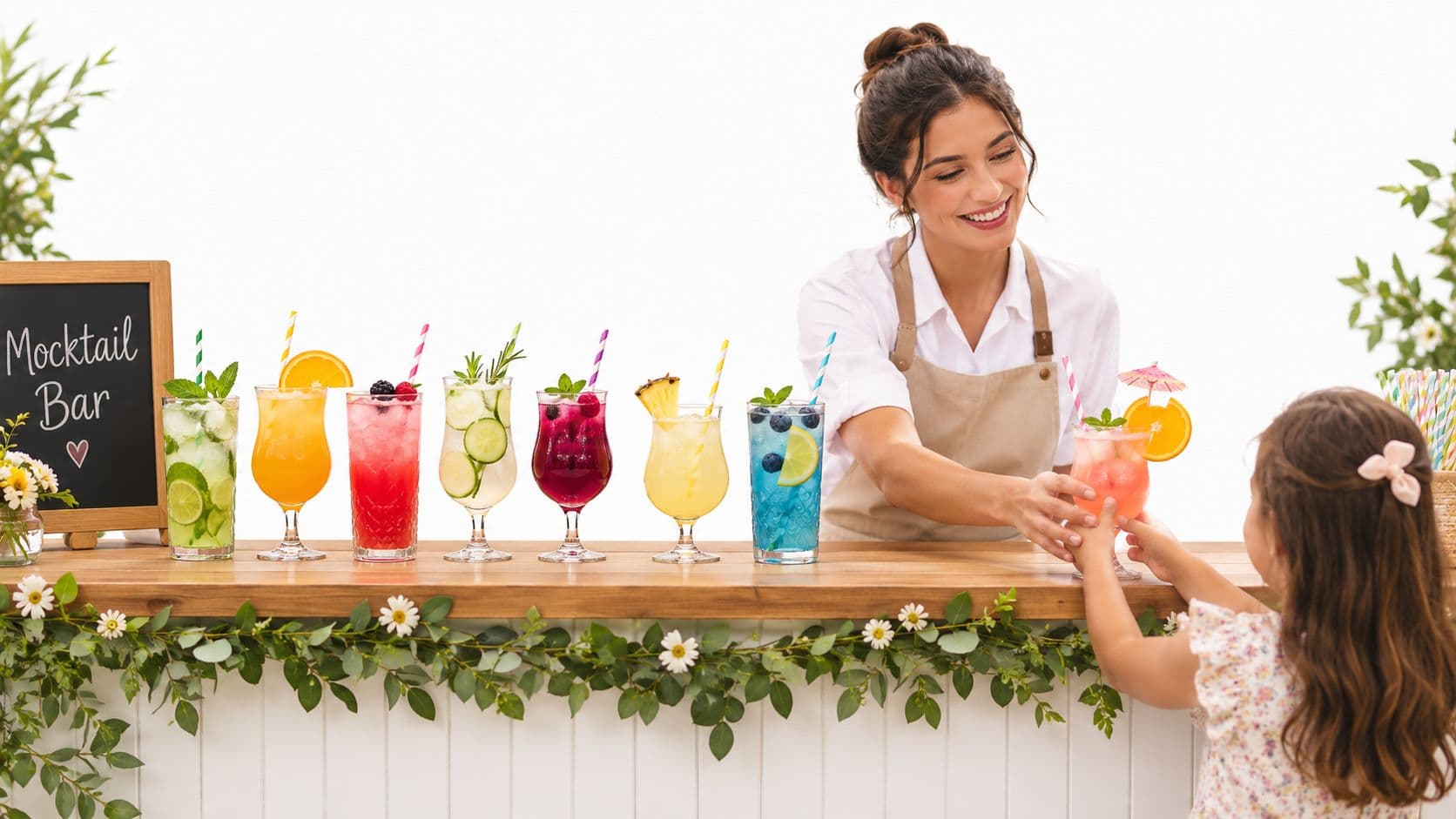
Offer an appealing mocktail alongside the alcoholic menu. Our non-alcoholic wedding drink ideas can help you choose a style. Confirm the final ingredients and quantities in your proposal. Specialty glassware shown in inspiration photos is not automatically included; BeeHive packages include plastic glassware, and host- or venue-provided glassware can be agreed in advance.
Convert Planned Drinks Into Bottles
For purchasing, calculate the liquid volume your menu needs. A 750 mL bottle contains approximately 25.36 US fluid ounces. At a fixed pour size, its physical yield stays the same regardless of alcohol percentage. Alcohol percentage changes the strength of each serving.
| Container and pour | Approximate yield | Planning note |
|---|---|---|
| One 12-ounce beer can or bottle | One serving | Check the actual size and ABV; not every beer equals one standard drink. |
| 750 mL wine bottle, 5-ounce pours | Five full glasses | Use the agreed pour size consistently. |
| 750 mL spirit bottle, 1.5-ounce pours | About 16.9 pours | Calculate total ounces for each spirit, then round its bottle count up. |
| 750 mL spirit bottle, 2-ounce pours | About 12.7 pours | Larger measures need more bottles for the same cocktail count. |
These are serving volumes, not interchangeable measures of alcohol. The CDC's standard-drink guidance uses 12 ounces of 5% beer, 5 ounces of 12% wine or 1.5 ounces of 40% spirits as examples containing about the same amount of pure alcohol. A stronger beer or a cocktail with multiple alcoholic ingredients can contain more than one standard drink.
A Worked Example: 100 Guests, 80 Who May Drink
Assume four bar hours and the hours-plus-one purchasing setting: 80 drinking guests × 5 planned drinks = 400 alcoholic servings. Allocate 40% to beer, 40% to wine and 20% to cocktails. This is a hypothetical inventory estimate, not a recommendation that anyone drink five drinks.
| Item | Planned servings | Purchase calculation |
|---|---|---|
| Beer | 160 | Seven 24-packs = 168 cans or bottles; divide the purchase between chosen styles. |
| Wine | 160 glasses at 5 ounces | 32 bottles of 750 mL. An even split would be 16 white and 16 red. |
| One base spirit | 80 cocktails, each using 1.5 ounces of that spirit and no other alcohol | 120 ounces ÷ 25.36 = 4.73; round up to five 750 mL bottles. |
This matches the BeeHive wedding alcohol calculator with those settings. The calculator estimates total liquor volume; your final shopping list must divide it by recipe and spirit.
Two spirits change the rounding. If those 80 cocktails are split into 40 vodka drinks and 40 tequila drinks, each with a 1.5-ounce base pour, each spirit needs 60 ounces ÷ 25.36 = 2.37 bottles. Buy three bottles of each: six bottles altogether. Five mixed bottles would not cover both recipes at that split. Any liqueur is an additional, separately calculated item.
At a 2-ounce base pour, 80 single-spirit cocktails instead need 160 ounces ÷ 25.36 = 6.31, rounded up to seven bottles. Confirm recipes before shopping. The example excludes toast drinks, mixers, ice, water, garnishes and alcohol-free drinks. Pack rounding creates some excess; it is not a deliberate contingency allowance.
Keep the Toast Separate
If you want 80 sparkling-wine toasts and 20 alcohol-free toasts, choose a pour size first. At 4 ounces, plan six full pours from each 750 mL bottle.
That gives 14 bottles of sparkling wine for 80 guests and four 750 mL bottles of an alcohol-free alternative for 20 guests. This conservative count allows for whole pours per bottle; add any separate loss allowance deliberately.
Check product labels when a guest needs 0.0% alcohol.
You can also invite guests to toast with the drink already in hand. If you choose that approach, do not add a separate sparkling-wine purchase simply because a toast is on the timeline.
Match Your Shopping List to Your BeeHive Service
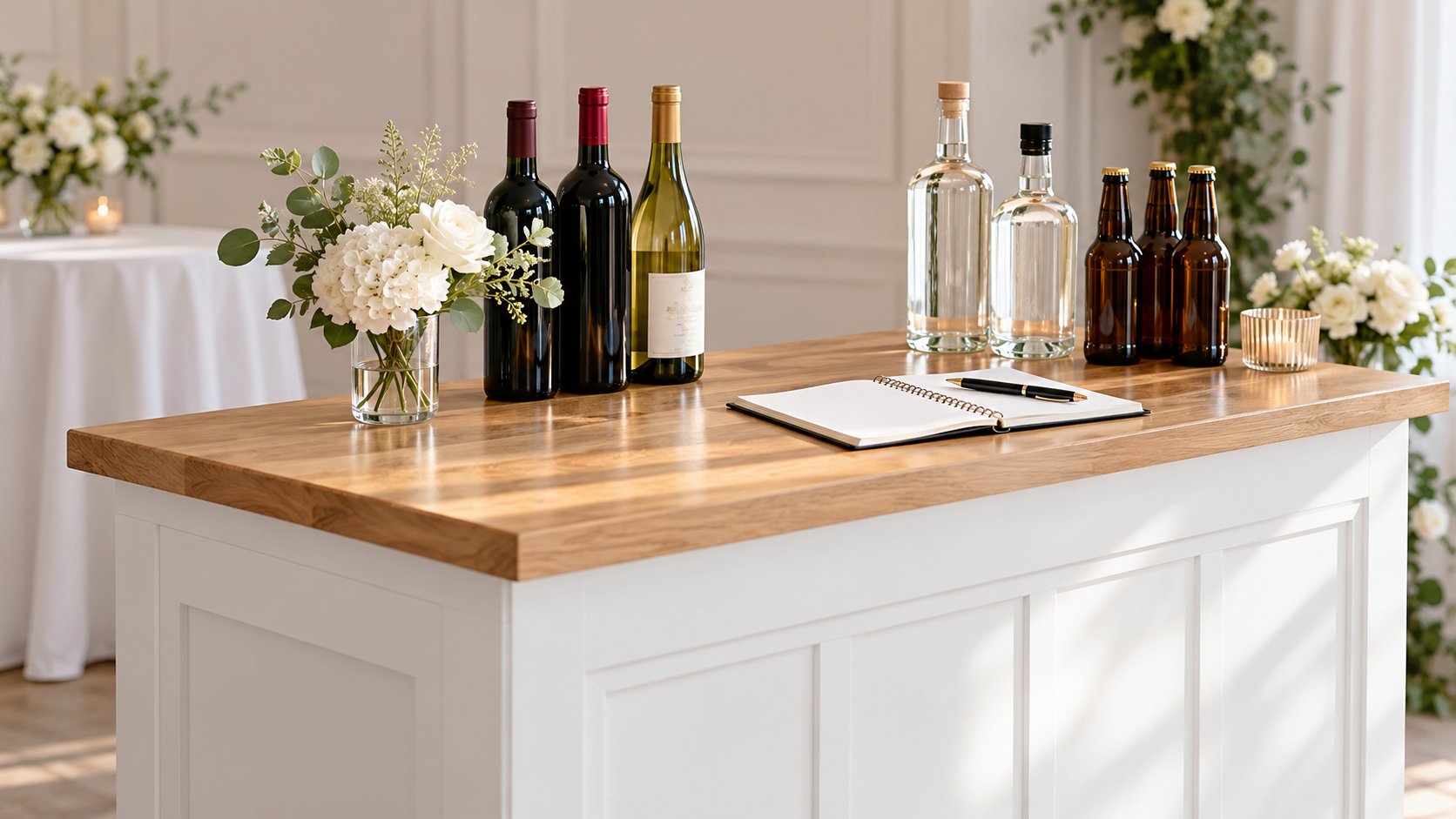
With BeeHive's dry-hire service, you purchase and own the alcohol. We provide a tailored shopping list and bartending, plus the equipment and supplies included in your selected service. We do not buy, sell, supply, transport or deliver alcohol. This follows California ABC's guidance for mobile bartending services, which distinguishes bartending fees from alcohol sales.
| Service | Starting price and minimum | Planning guidance |
|---|---|---|
| Bronze | From $750; three-hour minimum | Up to 70 guests, one bartender and two signature cocktails |
| Silver | From $1,150; three-hour minimum | Up to 120 guests, two bartenders and three signature cocktails |
| Gold | Custom quote; three-hour minimum | 120+ guests, two or more bartenders and four signature cocktails |
| Bartender-only | From $350 for two hours; $75 per additional started hour | Bartending, bar tools, shopping list and work-area setup and cleanup; bar and supplies are separate |
Package guest counts are guidance, and staffing is tailored to your event. Use total attendance when discussing staffing and alcohol-free service, even though alcohol calculations use only guests who may drink.
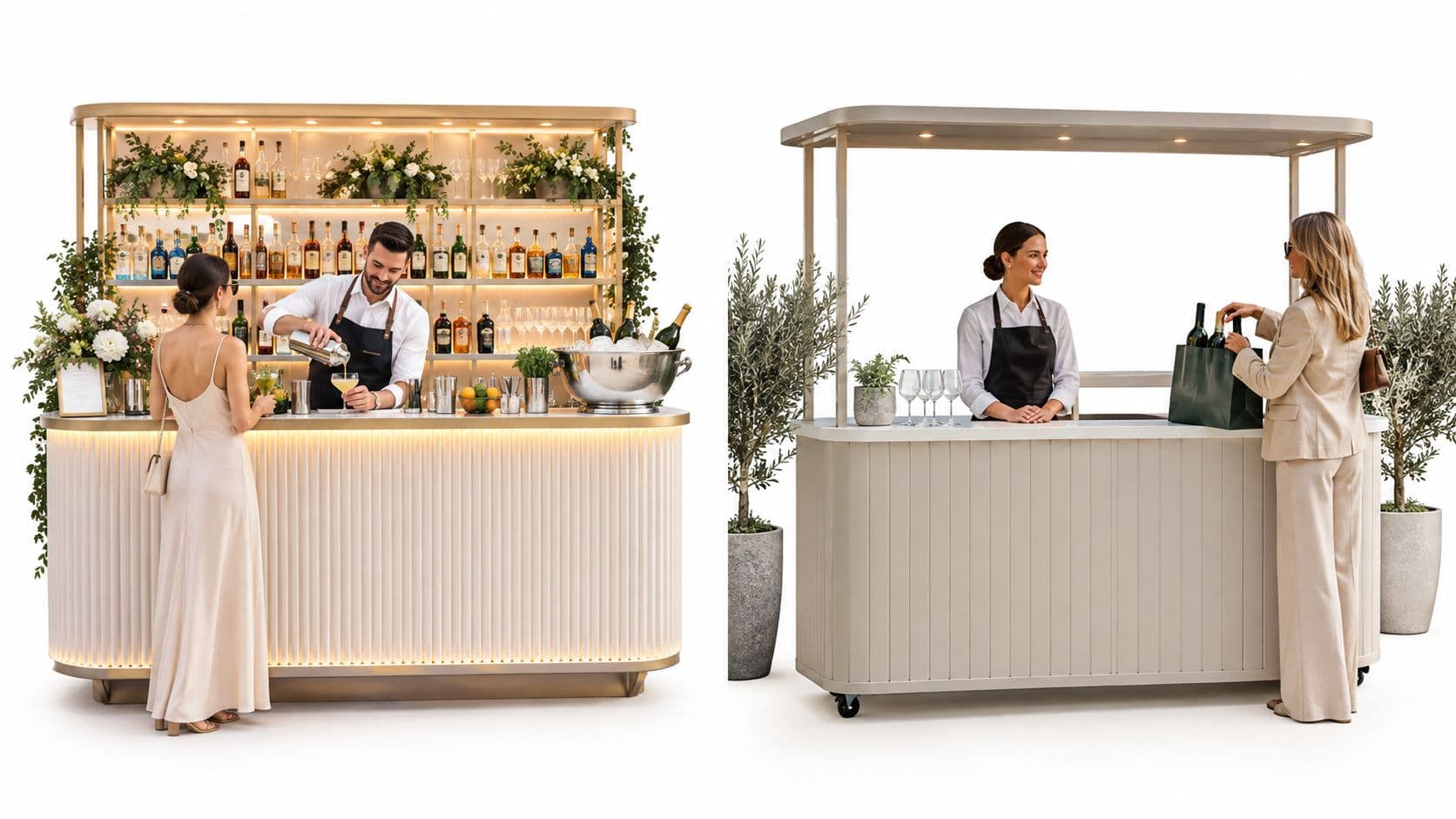
Bronze, Silver and Gold include the appropriate mobile bar, ice, coolers, bar tools, mixers, plastic glassware, napkins, straws, garnishes, setup and breakdown, and a custom printed menu. Gold also includes soft drinks, water and a Refreshment Station. Confirm the menu and any additional requirements in your proposal.
With bartender-only service, you or the venue arrange the supplies. The optional $150 mobile bar add-on is for bartender-only bookings and provides the mobile bar only. It does not add ice, coolers, mixers, garnishes or drinkware.
Turn the Estimate Into an Event-Day Shopping List
Give every item a quantity, container size and person responsible. This keeps the alcohol purchase separate from supplies already covered by your package.
| Task | Who confirms it | What to record |
|---|---|---|
| Finalize counts and menu | Couple or planner with BeeHive | Total guests, guests who may drink, bar hours, cocktail recipes, mocktails and toast plan |
| Approve venue arrangements | Couple or planner with venue | Outside-alcohol policy, access time, storage, chilling, service location and cutoff |
| Buy and arrange alcohol transport | Host or a person the host designates | Brand, bottle size, quantity, arrival contact and person collecting leftovers |
| Confirm supplies | BeeHive and host, according to the booked service | Mixers by recipe, ice, coolers, drinkware, garnishes, water and alcohol-free quantities |
| Brief the event team | Planner, venue and bartender | Bar opening and closing, toast timing, age checks and responsible-service arrangements |
Keep a small reserve only where it makes sense for the menu and guest mix. Confirm what the retailer accepts back, label toast stock separately, and assign someone to receive and store the alcohol before guests arrive.
For an Orange County wedding, request a BeeHive quote with your guest count, venue, service hours and drink ideas. We can match the service to your celebration and prepare the shopping list for your alcohol purchase.